Nature Guide
Cape Vidal Accommodation - Cabins, Campsites and What to Expect
A practical Cape Vidal accommodation guide for cabins, camping context, St Lucia alternatives, iSimangaliso access and cautious booking planning.
Accommodation planning overview
Cape Vidal is one of the most useful places in the Nature and Stuff archive because it sits at the meeting point of several travel needs: a wild-feeling KZN beach, a protected-area setting, iSimangaliso access, St Lucia trip planning and overnight accommodation questions.
This page is for travellers asking where to stay at Cape Vidal, whether Cape Vidal cabins or camping might suit them, and how Cape Vidal compares with staying in St Lucia. It is also deliberately cautious. The older cabin layout photos and notes are valuable first-hand archive material, but they should be treated as historical context rather than current facility guidance.
Use this guide to understand the decision. Before booking, check current official accommodation, conservation and visitor information for prices, rules, gate times, road conditions, unit availability, facilities and access requirements.
What accommodation at Cape Vidal is like
Cape Vidal accommodation is best understood as protected-area accommodation, not a polished beach resort experience. The appeal is the setting: beach, coastal forest, wildlife context, the drive through iSimangaliso and the feeling of staying somewhere quieter than a developed coastal town.
The seed material describes the accommodation as simple and outdoor-focused. An earlier first-hand cabin layout note is more candid: the stay was memorable because of the location, but the accommodation itself felt basic and, at that time, not especially polished.
That distinction matters. Cape Vidal can be a strong choice if your priority is nature, beach access and a remote-feeling base. It may be a poor fit if your priority is restaurants, nightlife, luxury finishes, flexible supplies or a wide range of services.
Good fit for:
- Travellers who want to stay inside the wider iSimangaliso/Cape Vidal experience.
- People who value location more than luxury.
- Beach, wildlife and nature-focused trips.
- Visitors who are comfortable planning supplies and logistics ahead.
- Repeat KZN travellers who already understand protected-area accommodation.
Potentially poor fit for:
- Travellers who want resort-style facilities.
- People who need easy access to shops and restaurants.
- Anyone uncomfortable with limited services or remote-area planning.
- Visitors who have not checked current booking and access rules.
Cabins, chalets and camping context
The Nature and Stuff archive refers to log cabins or chalets and campsites for tents or caravans. Those references are useful for search intent and planning context, but they should not be treated as a current inventory of what is available today.
The safest way to think about Cape Vidal accommodation is in two broad categories:
Cabin or chalet-style stays
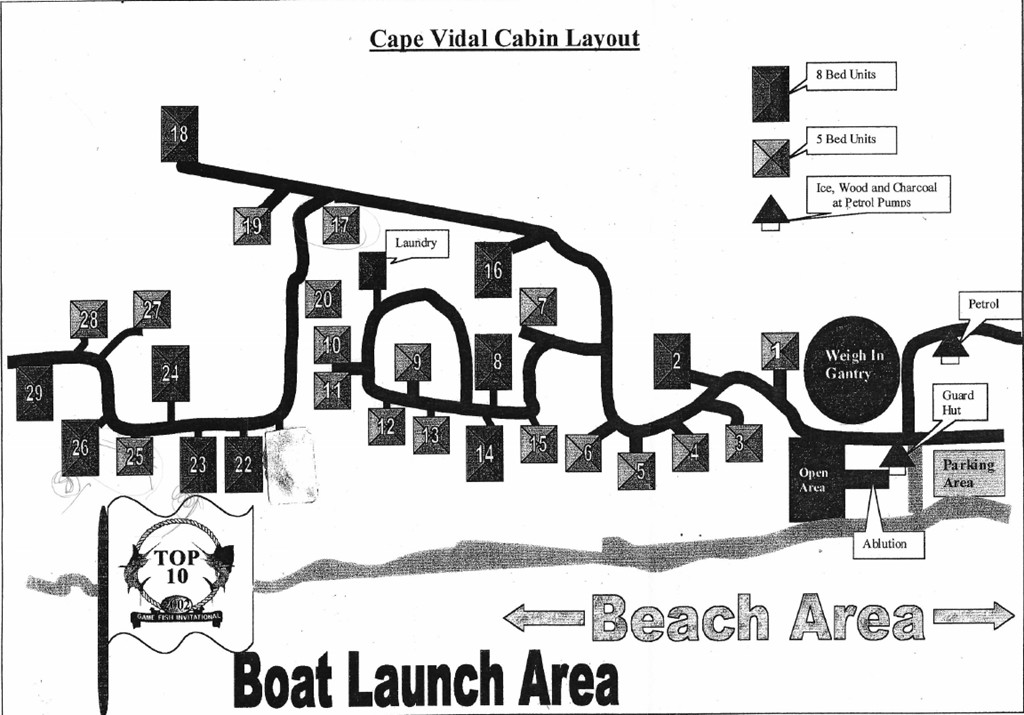
Cabins or chalet-style units are likely to appeal to travellers who want to sleep at Cape Vidal without managing a full camping setup. The older Nature and Stuff photos show a cabin/unit layout from an earlier visit and give useful visual context for how the accommodation area was arranged at the time.
Use the photos to understand the kind of simple, practical, nature-area stay Cape Vidal has represented in the past. Do not use them to confirm current room layouts, fittings, maintenance condition, bed counts, kitchen facilities, braai areas, linen, servicing or accessibility.
Camping and caravan context
The archive also points to camping or caravan-style stays as part of the Cape Vidal accommodation mix. This can suit visitors who are more self-sufficient and already comfortable with outdoor travel, but current stand types, power availability, ablutions, booking categories and rules need to be checked through official sources.
If you are comparing cabins and camping, start with your comfort level rather than the label:
- Choose cabin-style accommodation if you want a simpler overnight base without carrying a full camp setup.
- Choose camping only if you are comfortable being more self-sufficient.
- Choose St Lucia if you want more flexibility, food options or accommodation variety nearby.
Historic layout and photos
The strongest media opportunity for this page is the Cape Vidal log cabin and campsite layout material in the Nature and Stuff archive. It contains a layout image and a large set of unit photos. That makes this page more useful than a generic accommodation page, but only if the archive is framed honestly.
For the fuller historical photo reference, use the Cape Vidal log cabin layout page. Treat it as archive context, not current accommodation confirmation.
Archive note: this layout image comes from an earlier visit and may not reflect current layout, facilities or booking details.
The layout image above is from the Nature and Stuff legacy archive. Treat it as a historic reference from the original post, not as a confirmed current site map.
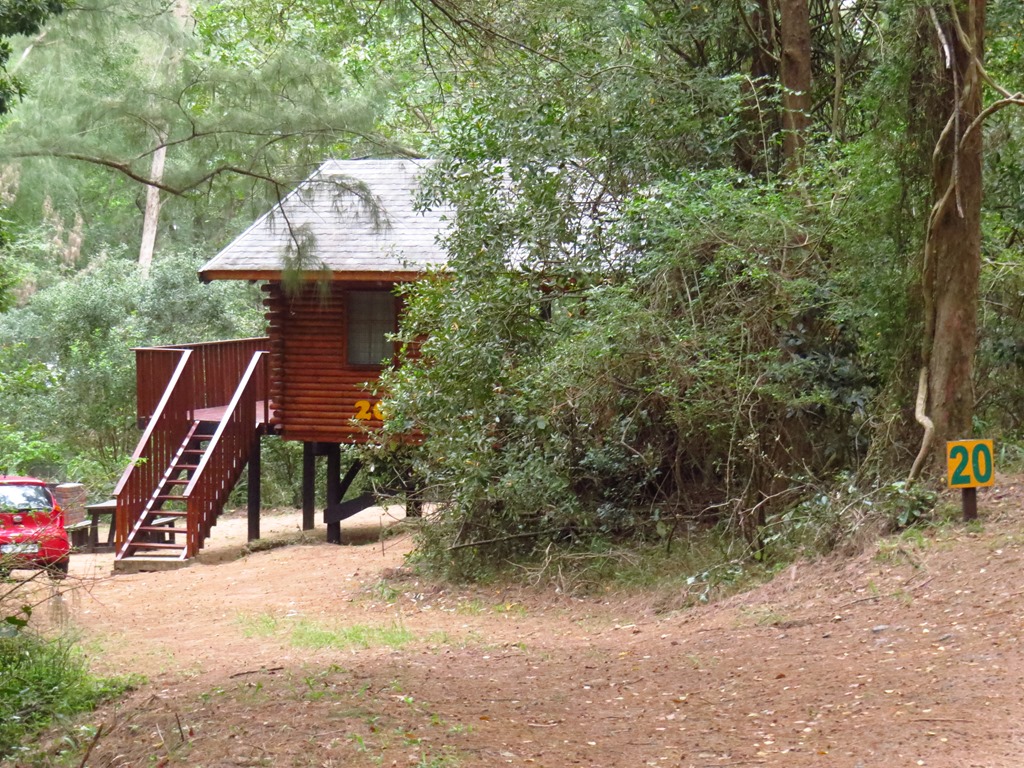
Earlier unit photo from the Nature and Stuff archive. Current finishes, facilities and unit condition should be verified before booking.
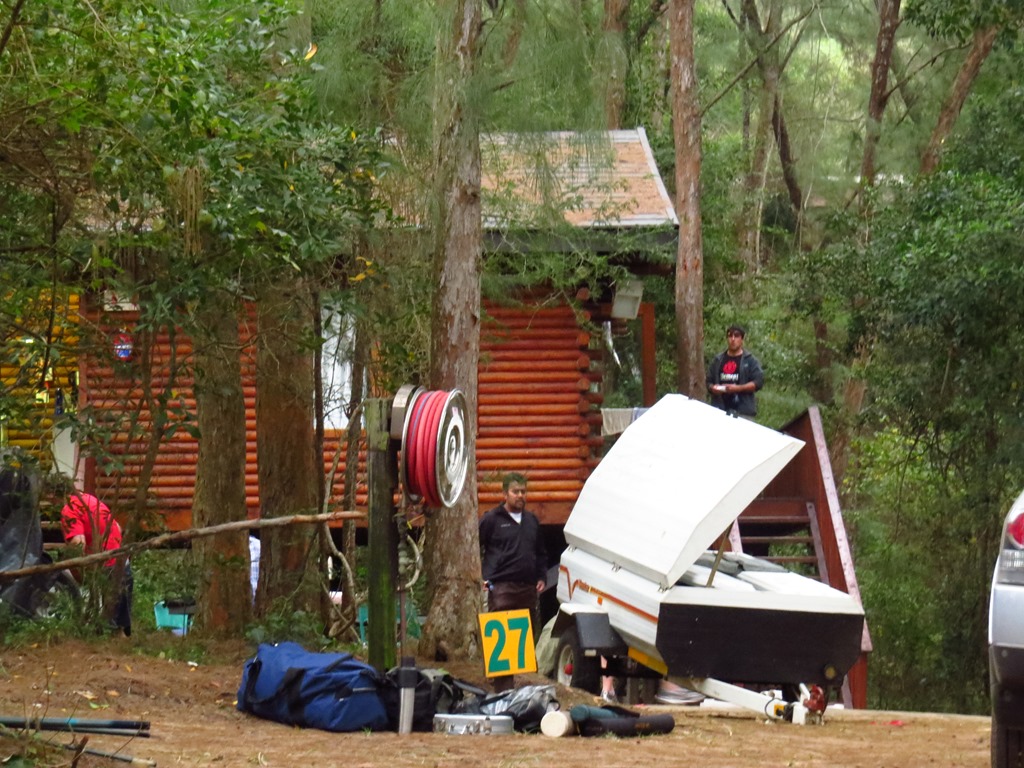
Earlier unit photo from the Nature and Stuff archive. Use it as a planning prompt, not current facility confirmation.
These photos are useful because they show the practical, no-frills accommodation context that shaped the original Cape Vidal posts. They are not evidence that the same units, finishes, layout, upkeep or booking categories are unchanged today.
What to expect from a remote protected-area stay
The main trade-off at Cape Vidal is simple: you give up some convenience in exchange for location.
Compared with staying in a town, a Cape Vidal stay may require more planning around supplies, timing, access, vehicle readiness and what you need for the day. Compared with a developed beach hotel, it is more about the protected landscape than the accommodation itself.
Plan around:
- Limited nearby services compared with St Lucia.
- A quieter, nature-first setting.
- The need to bring essential supplies.
- Respecting protected-area rules.
- Wildlife awareness and slower driving.
- Weather, road and access conditions that may affect plans.
- Current gate, booking and visitor rules.
The older Cape Vidal road material also makes the journey part of the experience. Use the Cape Vidal road guide for route expectations, wildlife context and road-specific archive media. Use the iSimangaliso guide and things to do in St Lucia for wider area context.
Staying at Cape Vidal vs staying in St Lucia
This is the main accommodation decision for most visitors.
Staying at Cape Vidal puts you closer to the beach and the protected-area atmosphere. It can make sense if the Cape Vidal setting is the point of the trip and you are comfortable with simple facilities and advance planning.
Staying in St Lucia gives you more flexibility. It is usually the better base if you want a wider choice of accommodation, easier access to restaurants and supplies, and the option to visit Cape Vidal as a day trip rather than commit to staying there.
Should you stay at Cape Vidal or St Lucia?
Choose Cape Vidal accommodation if you want the stay itself to feel like part of the nature experience. This is the better fit for a slower trip where beach, wildlife context, early starts and the protected setting matter more than convenience.
Choose St Lucia accommodation if you want a practical base with more services nearby. This is the better fit for first-time visitors, mixed-interest groups, travellers comparing several activities, or anyone who wants to keep plans flexible.
Choose a Cape Vidal day trip from St Lucia if you want to experience the beach and the drive without relying on Cape Vidal accommodation availability.
Choose a wider KZN route if Cape Vidal is only one stop. Start with things to do in KZN, then connect to iSimangaliso, KZN beaches and KZN nature reserves.
Why planning ahead matters
Cape Vidal is not the kind of destination where you should arrive with vague assumptions. Accommodation availability, access rules, road conditions, gate times, conservation fees, beach conditions and facilities can all affect the trip.
Planning ahead is especially important if:
- You are travelling in a holiday period.
- You need a specific unit type or campsite setup.
- You are arriving late in the day.
- You are travelling with children or older relatives.
- You need reliable access to supplies, fuel, restaurants or medical support.
- You are not used to protected-area accommodation.
The archive repeatedly shows why Cape Vidal is worth the effort, but it also shows why current verification matters. A beautiful location does not remove the need for practical planning.
How Cape Vidal connects to iSimangaliso and St Lucia
Cape Vidal should not be planned in isolation. It is part of the wider northern KZN and iSimangaliso travel cluster.
Use these pages together:
- iSimangaliso Wetland Park for the protected-area hub.
- Things to do in St Lucia if you are deciding whether St Lucia should be your base.
- Best beaches in KZN if you are comparing Cape Vidal with other coastal areas.
- KZN nature reserves if you want quieter reserve and outdoor planning.
- Things to do in KZN for the broad trip-planning hub.
The Cape Vidal hub holds the broader destination story, including beach, road, wildlife and archive-led context. This accommodation page should remain focused on where to stay and how to choose a base.
Before booking Cape Vidal accommodation
Before you book or travel, verify:
- Current accommodation types and booking channels.
- Unit, cabin, chalet or campsite availability.
- Prices, conservation fees and payment rules.
- Gate times, access rules and arrival requirements.
- Road conditions and vehicle suitability.
- Facility details such as power, water, bedding, cooking, braai areas and ablutions.
- Whether shops, fuel or supplies are available nearby.
- Beach, swimming and weather safety guidance.
- Park rules around wildlife, noise, waste, fishing and protected areas.
- Whether older first-hand photos still reflect current conditions.
This page intentionally avoids giving current prices, gate times, unit numbers, booking instructions, facility guarantees, road-condition promises, swimming guidance or wildlife guarantees. Those details should come from current official booking, conservation or visitor sources.
Source and verification note
This page is based on the Nature and Stuff archive, especially the Cape Vidal accommodation seed page, the earlier first-hand Cape Vidal log cabin layout material, and related Cape Vidal, St Lucia and iSimangaliso notes.
The layout and unit photos are used as earlier first-hand media. They are not treated as current facility confirmation. Reposted or external material was treated as context only and was not rewritten as original reporting.
No video was embedded on this accommodation page. Cape Vidal video material is better suited to the Cape Vidal hub or road guide, where the drive, beach and broader destination experience are the main focus.